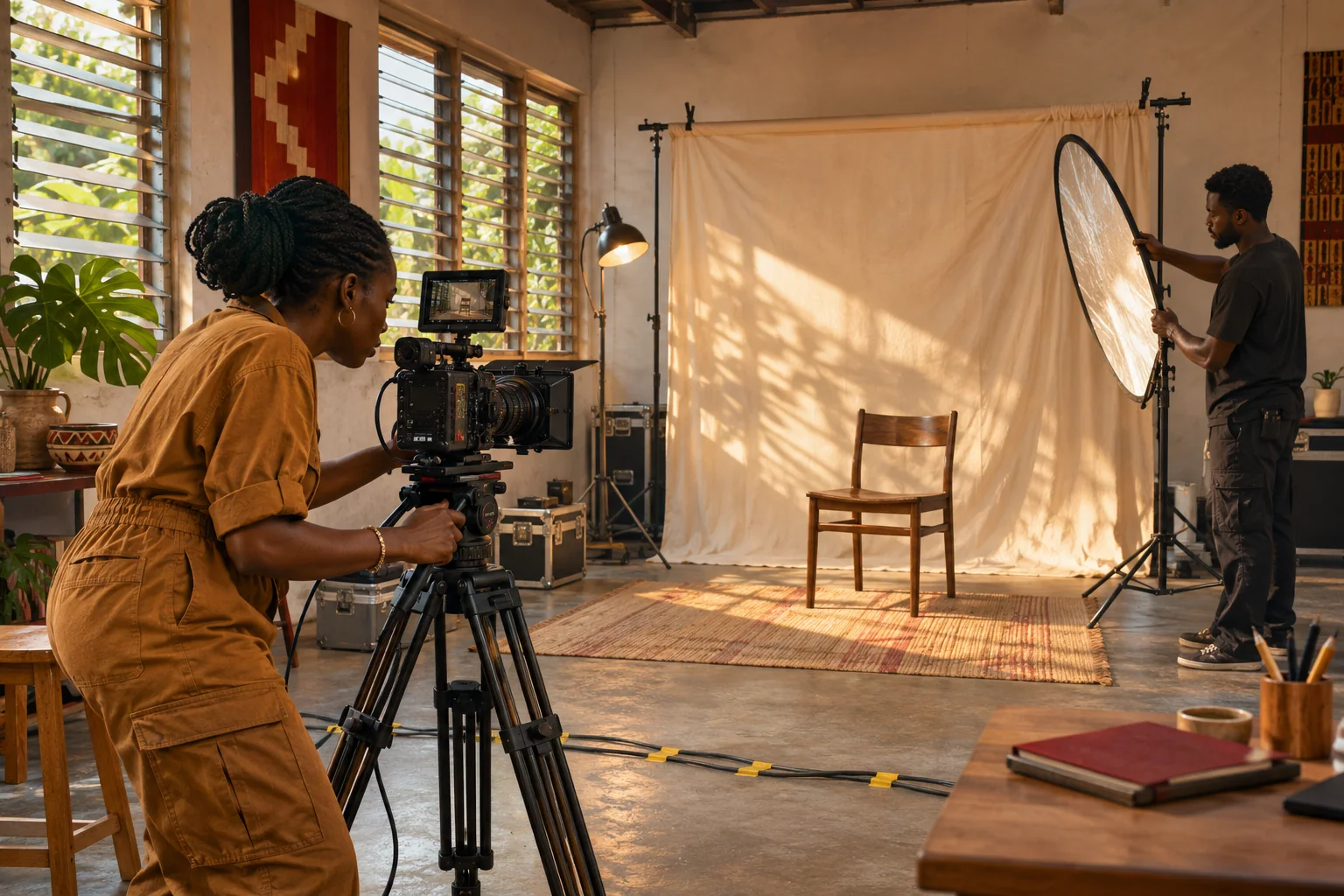
Imagine an interview that looks carefully considered: a balanced frame, an interesting background and a speaker with something to say. Then play it without looking at the screen. The voice feels distant. An intermittent noise pulls attention away from the sentence.
Sound belongs in the first conversation about that interview.
Shure's recording guidance explains that microphones capture room reflections as well as the intended voice. Its advice also makes a useful distinction: upgrading a microphone alone does not solve an unsuitable recording environment. Placement and the room both matter. Shure's vocal recording guide
Make a listening draft
Here is a small exercise before a personal recording session. Ask someone to read the same short paragraph in two possible positions. Record each attempt with the equipment you intend to use. Note where the speaker and microphone were placed.
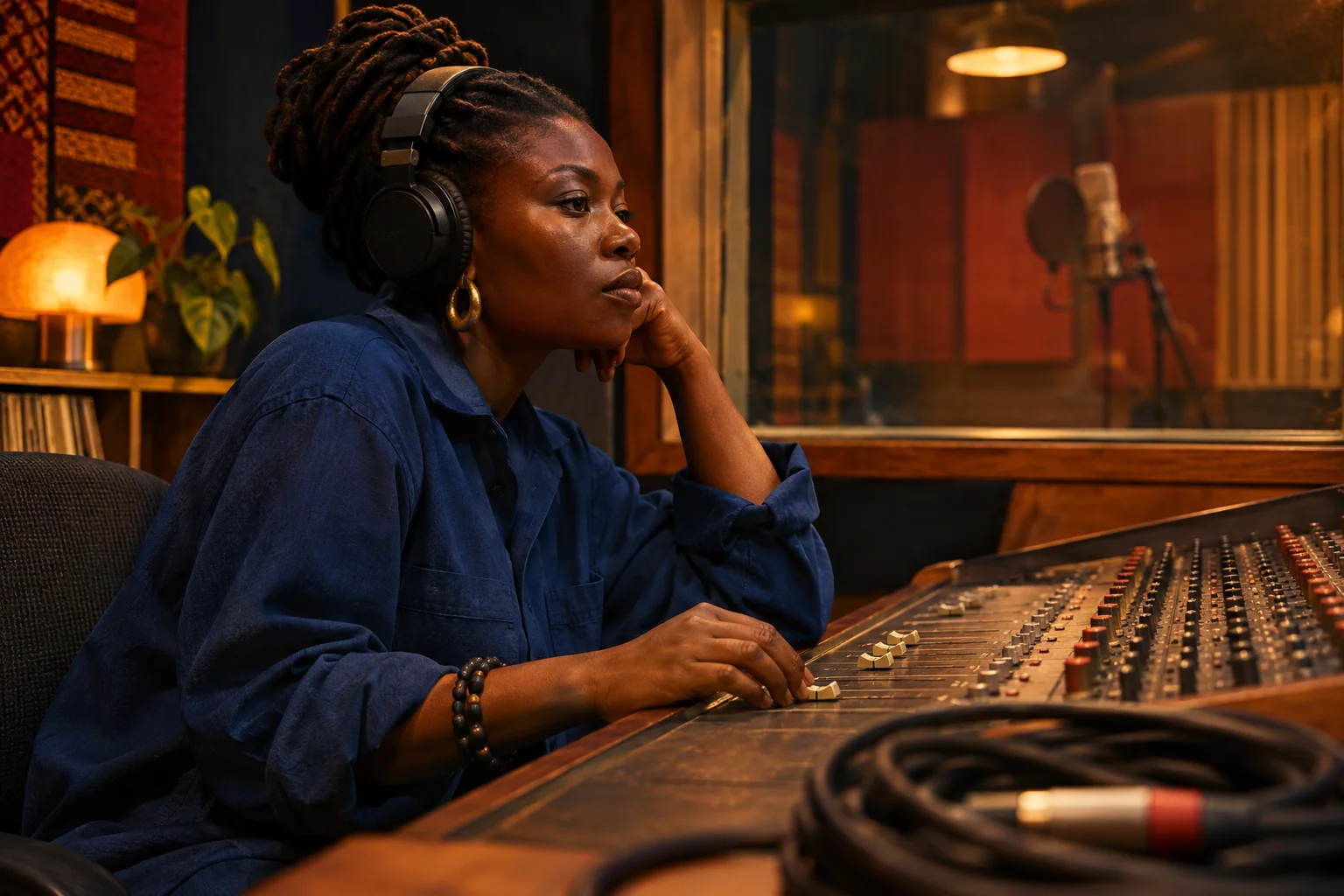
Play the recordings back at a comfortable, consistent level. First, listen for the words. Then listen for everything around them. Write down what changes your attention: the voice seems clearer in one position; a repeated noise interrupts another; one take has a space around it that suits the mood.
These notes give the team a concrete starting point. Keep the comparison simple enough that you can repeat it.
Choose the atmosphere deliberately
A conversation in a busy working space and an intimate studio reflection can call for different sound. Decide what the surroundings contribute to this particular story. An audible environment can be part of an honest account of a place; it should still allow the audience to follow the person speaking.
For an interview, explain the recording process before starting. Leave time for the speaker to settle, hear a short playback and flag anything that makes the session uncomfortable.
Give sound a place in the edit
Before selecting a clip for its expression or camera movement, listen to the complete thought. Does the chosen edit preserve what the speaker meant? Are interruptions making a useful answer hard to follow?
A strong image may persuade someone to press play. A clearly heard thought gives them something to stay for. The next time you plan an interview, put a listening test next to the lighting test on the schedule.