A portrait session can fill quickly with instructions. Turn your shoulder. Lift your chin. Look past the camera. Somewhere inside those instructions is a person who may have arrived with their own idea of the picture.
We think that idea deserves time.
A photographer brings choices about light, distance and composition. The person being photographed brings their face, their body, their experience of being looked at and a reason for agreeing to the session. A useful collaboration makes room for both.
Start with a conversation
Ask what the portrait is for. A musician introducing a new project may want a different feeling from a craftsperson showing their working life. Ask whether there are references they like, clothes they feel themselves in and ways of being pictured they would prefer to avoid.
Keep those answers available during the shoot. They should be able to change a decision, not simply decorate the conversation before it.
Try describing what you hope a frame will communicate before prescribing the pose. A person may offer a gesture or position that you would not have invented for them.
Let a pause remain a pause
A relaxed expression is not an instruction everyone can perform on demand. Allow the session to include moments of looking, adjusting and starting again. Show a selection of images when practical. Ask what feels familiar and what feels wrong to the subject.
There may be productive disagreement. The photographer might value an unusual expression; the subject might feel it says something they do not want the portrait to say. Discuss the intended use of that image rather than assuming the disagreement is a failure of confidence.
Decide what the finished image promises
Retouching and selection are part of how the portrait is interpreted. Agree whether the work is a stylised fashion image, a straightforward introduction or something in between. Be clear about where it will appear and what credit will accompany it.
For a personal project, make two selections: your favourite frame and the subject's favourite. Look at them together and discuss the differences. You may learn more about your visual habits from that conversation than from making another hundred exposures.
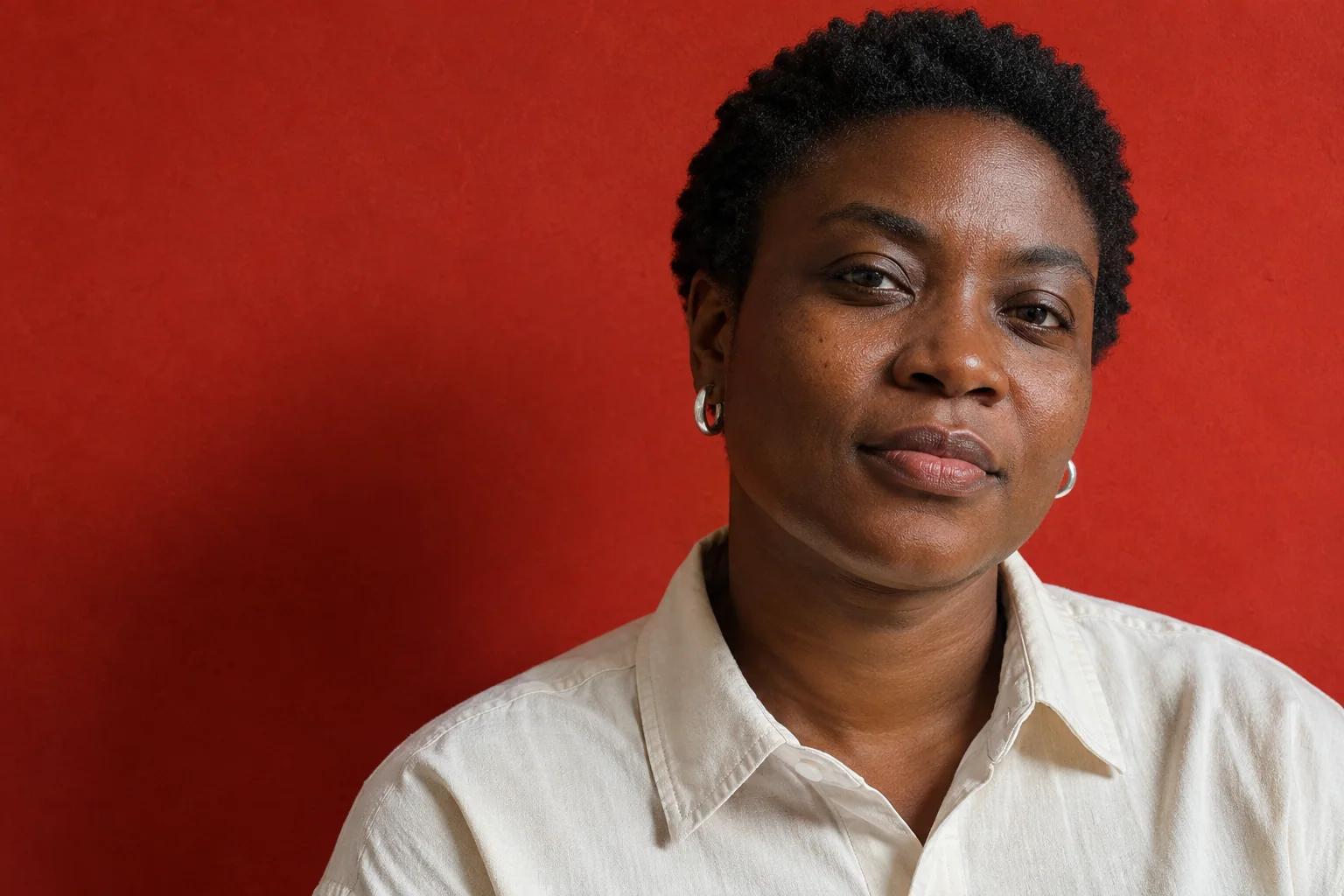
The portrait beside this essay is generated. It cannot substitute for the exchange described here. A future instalment of In the Frame should begin with a real person and enough time to hear what they want to bring into the picture.