Calling a face a blank canvas is a familiar way of praising a makeup artist's imagination. But the person in the chair already brings an expression, a style and an opinion about what they want to see in the mirror.
Those things can be part of the creative brief.
A strong beauty image might be graphic, theatrical, subtle or deliberately unfamiliar. The useful question is whether the person wearing the look understands the intention and has room to participate in it.
Ask what the look needs to do
Start with the occasion and the image. Is the makeup part of a fashion story, a performance, a personal portrait or an everyday look someone wants to explore? Ask which elements the person is excited about and which make them uncertain.
A reference can open that conversation. Discuss its colour, finish and shape rather than treating another person's face as an exact template. The goal is to make choices that belong to this collaboration.
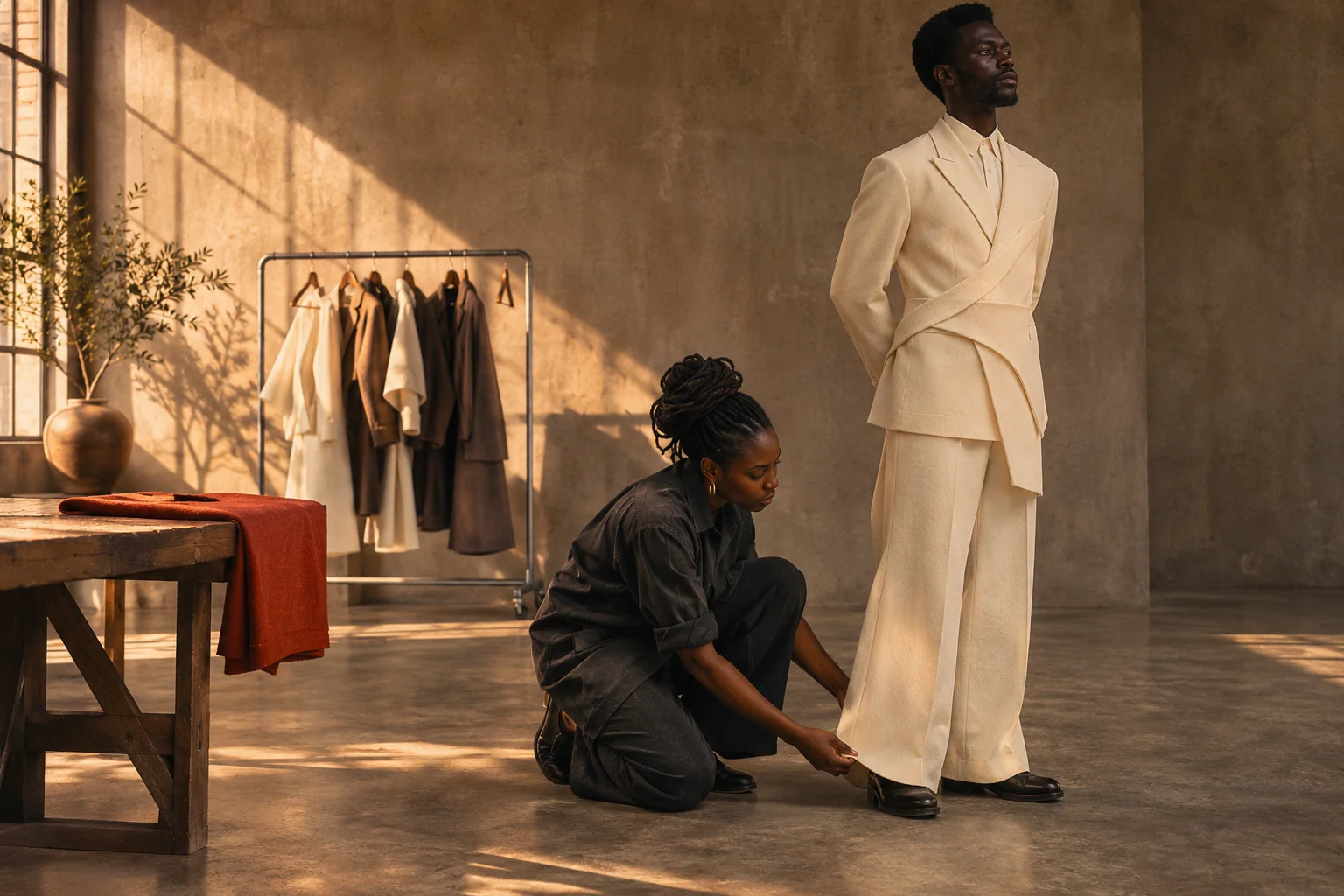
For a creative shoot, bring the makeup artist into the conversation with the stylist and photographer. Clothing, background and lighting should be considered together. Give everyone a chance to explain what they are trying to achieve.
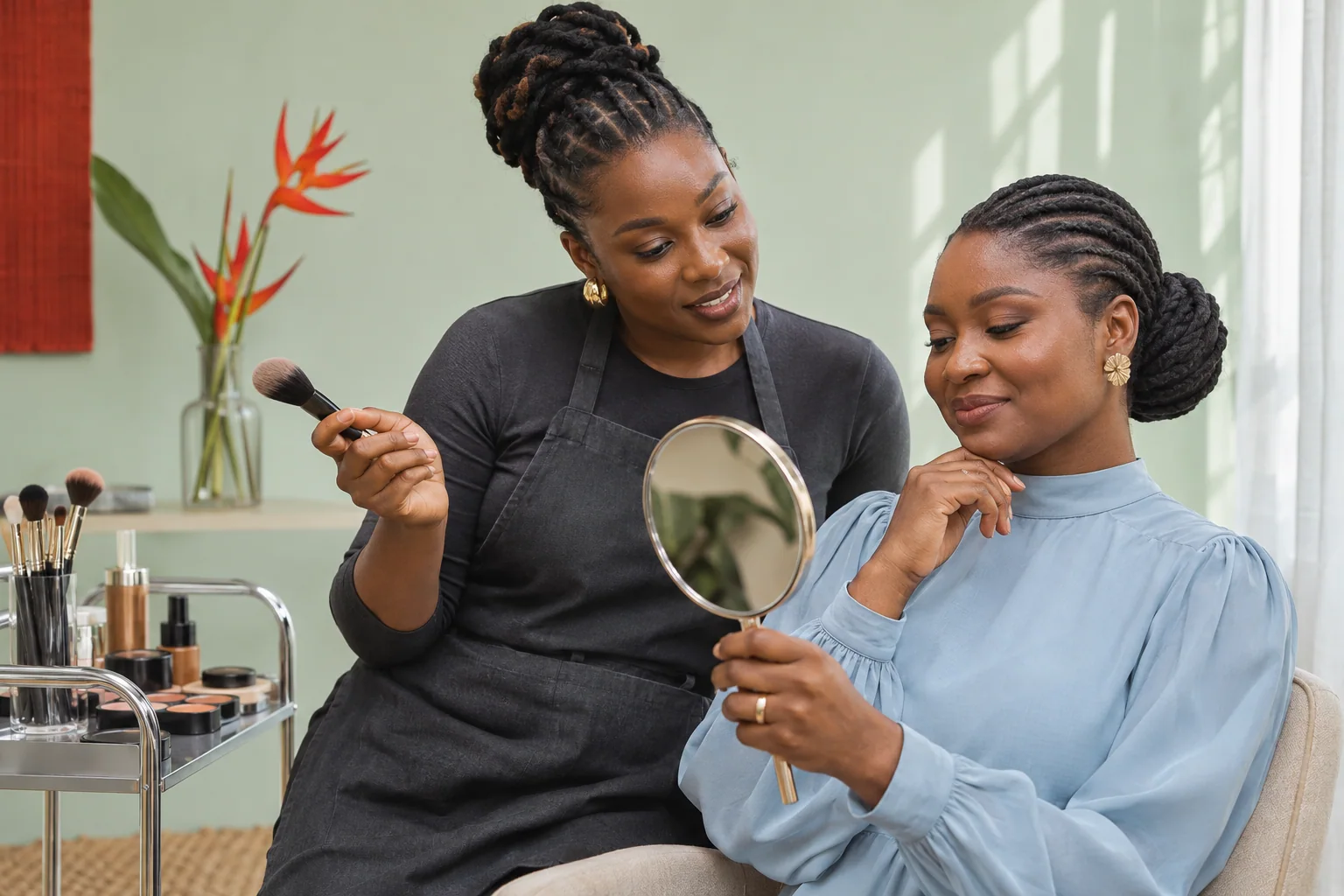
Keep the mirror in the conversation
A check-in during the process is an opportunity to adjust the direction. Ask specific questions about the look. Does the person want the colour stronger? Does the shape feel right? Would they prefer to keep or soften a particular detail?
Avoid language that makes a natural feature sound like a mistake. Describe the change you propose and its visual purpose.
The same care belongs in the edit. If a photograph will be retouched, agree what kind of treatment is intended. A dramatic editorial finish should be presented honestly rather than passed off as an untouched service result.
Credit the creative choices
A beauty caption can say more than which products were used. With the collaborators' approval, explain the idea behind a colour or shape and name the artist who developed it.
That gives readers a way to appreciate makeup as a practice of judgement. It also makes the work easier to recognise beyond a single attractive picture.
For a future In the Frame feature, we would like the artist and subject to discuss the same look together. Their two perspectives could reveal the small negotiations that a final image keeps out of view.